September 21st, 2017
Brushing alone only covers about 1/3 of the total tooth surface area in your mouth, which leaves a lot of space for plaque – and cavities – to thrive. Flossing removes plaque buildup in the places where toothbrushes can’t reach – between teeth. But, more than 50% of American don’t floss daily, and that’s a problem. Flossing is simple, and will help your entire family. To better care for our patients, we’ve decided to write 3 simple steps that will help you master flossing.
3 Steps to Master Flossing
1 - Floss Once Every Day
The best way to become a master flosser is to floss daily. Repetition is the key to mastering anything, but also fully cleaning your teeth. A full flossing routine should include cleaning teeth below the gum line, where dental plaque can go unseen and unreached by toothbrushes. If left untreated, plaque buildup near the root of teeth can lead to gingivitis and tooth loss. Bleeding gums when brushing or flossing are often an early sign of gum disease. People who regularly brush and floss their teeth suffer from gum disease and tooth decay far less than those that do not.
2 - Slow Down
If you move quickly from tooth to tooth, then you risk not fully cleaning the tartar buildup on your teeth. Remember: flossing cleans debris from between your teeth, but also helps remove a thin, damaging layer of plaque that can lead to cavities. We suggest spending about 10 seconds flossing each side of your teeth.
3 - Floss the Whole Tooth
A lot of people only floss one side of each of their teeth – focusing on the gaps between teeth as singular spaces to be cleaned. Again, flossing fights plaque buildup on teeth, so focus on flossing each side of your tooth below the gum line.
How to Floss Children’s Teeth
Here’s a basic guide to flossing your children’s teeth:
1. Begin flossing your children’s teeth when any two teeth touch.
2. Use about 12-18 inches of dental floss. If that is too difficult, try using flossing tools like soft flossing picks.
3. Use wide, flat dental tape to floss your children’s teeth. The width of the floss helps with the larger spaces in children’s teeth.
4. Be gentle when flossing children’s teeth, and avoid applying too much pressure on their gums.
5. Floss both sides of the teeth, and make sure to gently dip beneath the gum lime.
Visit Our Office
Did you know that cavities are the largest disease affecting children? Don’t let that discourage you: flossing is almost entirely preventable. Visit our office so that we can help your child fight cavities, and provide them with an oral health plan that will give them a healthy smile for years to come.
September 7th, 2017
Is your child considering playing soccer, volleyball, or football this year? If so, then it is absolutely imperative that they have a mouth guard. This year, nearly 25 million children in the United States will play youth sports, and 1 in 3 young athletes will suffer an accidental injury. Mouth guards go a long way in protecting your child from suffering an oral injury. Here’s how.
What are Mouth Guards?

Mouth guards are composite inserts that act as a cushion for teeth and the facial area. Mouth guards – sometimes called mouth protectors – work by helping cushion a blow to the face, and minimizing the risk of broken teeth, or lacerating a lip, tongue or cheek. Did you know that the CDC estimates that more than 3 million teeth are knocked out at youth sporting events? Mouth guards work to prevent tooth loss and other facial injuries.
There are a variety of mouth guards available today, and some are more effective than others.
Stock Mouth Guards
The most inexpensive, and least effective mouth guards are stock mouth guards. Stock mouth guards can be very bulky and ill-fitting, and they can make breathing very difficult. You can find them at most major sporting goods stores for very reasonable prices. We advise getting these if your child is in a sport with less contact, but for contact intensive sports like football or hockey, a better fitting model will protect their teeth much more effectively.
Boil and Bite Mouth Guards
The middle-of-the-road option in both price and quality is the boil and bite mouth guard. Boil and bite guards are made of rubber composites that become malleable when heated. When you buy one of these, they are packaged as “U” shaped pieces of rubber without indentation. After you boil it (read the manufacturer’s instructions before boiling) you child firmly bites into the guard so that it molds to fit her teeth. Boil and bite guards can be found at many major sporting goods stores, and they provide sufficient enough protection for high contact sports.
Custom-made Mouth Guards
The best fitting and most effective mouth guards are custom-made mouth guards, which can be made for your child by a dentist that offers the service. Custom mouth guards are available in multiple materials, and affords them a mouth protector that is completely personalized to fit their teeth. Custom mouth guards fit the best and provide the most advanced protection.
Which Sports Require Mouth Guards?
The American Dental Association recommends wearing custom mouth guards for these popular sports: basketball, boxing, field hockey, football, ice hockey, lacrosse, martial arts, racquetball, roller hockey, rugby, skateboarding, skiing, soccer, volleyball, water polo and wrestling, among others. This is just a recommendation by the ADA. If you’re unsure about whether or not your child is required to wear a mouth guard, consult the rules of the sport.
Ask Us about Mouth Guards
Dental injuries account for nearly 20% of all sports related injuries, and your child is 60 times more likely to sustain damage to their teeth when they aren’t wearing a mouth guard.
As your child’s pediatric dentist, we care about the protection of your child’s teeth and smile. Call our office today and ask us if we provide mouth guards for your student athlete.
August 17th, 2017
A nutritious diet is a great way to help your child get healthier teeth. Whether it’s snacking on granola bars, or choosing fruit instead of potato chips, there are endless dietary actions that you can take to improve your child’s health. But, before you overhaul their diet, you should beware of certain “healthy” foods that are terrible for teeth.
Granola Cereal
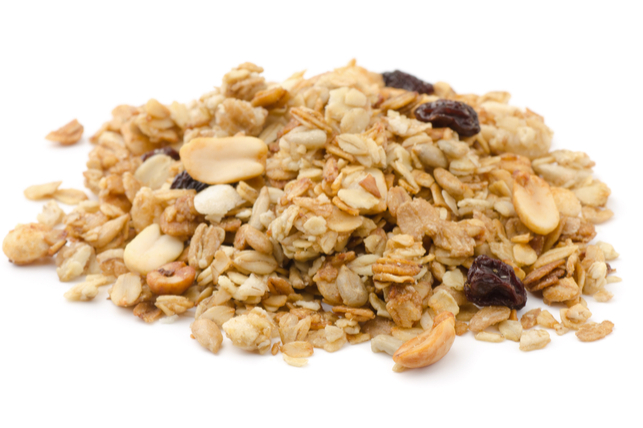
Granola is typically advertised as a healthier alternative to cereal that people can add into their milk or yogurt for an added dietary benefit. But here’s what they’re not advertising: granola typically contains high amounts of sugar and fat. The added sugar can lead to tooth decay, and the high density of calories can leave your child hungry and cause them to overeat.
If you do choose granola, compare the nutritional values of your options and choose the one with the highest fiber content, and lowest amount of sugar.
Citrus Fruits

Fruit can be great for improving health, but it can sometimes damage teeth. Citric fruits like oranges, grapefruits, lemon and tangerines contain a high amount of acid that can lead to tooth enamel erosion. If you serve your child citrus fruits, rinse their mouth out with water after they’re done eating to wash the acid away, and help prevent cavities from forming.
Trail Mix

If you decide to serve your child trail mix, look out for unhealthy ingredients that can add unhealthy amounts of sugar and fat to their plate. Try to avoid trail mix that has chocolate, dried fruit, and candy. Look for mixes that are unflavored and don’t contain any added sweets.
Dried Fruit
Dried fruit contains much higher levels of sugar than their natural counterparts, and none of the water that helps make fruit so healthy. Let’s use prunes as an example. Prunes are just dried plums, except just one cup of prunes contains more than 400 calories and 45 grams of sugar. However, one plum contains just 75 calories and 16 grams of sugar.
Additionally, dried fruit can stick around on teeth long after snacking has concluded, and cause prolonged acid attacks that can erode enamel and lead to cavities. The bottom line is that you should choose fresh fruit and not dried fruit.
“Enhanced” Water
Enhanced or “nutritional” water is not good for you at all. In fact, one 20-ounce bottle of Vitamin Water contains more sugar than the recommended daily amount for adults. Nutritional water may taste good, but there’s simply too much sugar in them to be considered healthy.
Our advice is to serve your child normal water, which contains no calories or sugar. Additionally, regular water helps rinse debris from teeth and stimulate saliva production, both of which aid in the fight against cavities.
Does Your Child Have a Healthy Diet?
A mouth-healthy diet is an important part of maintaining optimal oral health. If you’re concerned about how your child’s diet may be affecting their teeth, then bring them into our office. We will evaluate their smile and offer a variety of treatment options that fit their case.
August 3rd, 2017
Caring for your child’s mouth is important for their current health and long term tooth development. Keeping a clean mouth helps prevent cavities, infection and gum disease, and it also creates a healthy smile as they get older. However, your child’s oral care routine – and toothbrush – should change over time as well. Below are some tips to help you clean their mouth as they age.
Babies 1 – 12 months
A baby’s first tooth doesn’t typically erupt until they are 8 months old, but it’s still important to keep their mouth clean. You can clean their gums by taking a damp cloth or gauze and gently rubbing it over their gums to remove any food debris. You may choose to use a very soft, baby toothbrush and lightly brush their gums using a very low amount of pressure to avoid upsetting their sensitive gums. However, a damp cloth works just as well.
Toddlers 13 – 24 months
After the first tooth emerges – usually around the 8-month mark – begin to use a toddler’s toothbrush to clean their mouth. When shopping for a toothbrush, look for one that has rounded bristles and a small head that can easily fit into their mouth. Find a toothbrush that has very soft bristles, without the hard rubber liners on the outside of the head (called burs). You can begin flossing their teeth once they have two teeth touching. Use flat, wide floss and apply very gentle pressure to clean all sides of the tooth.
Preschoolers 2 – 4 years
By now, they will be walking, talking and eager for a bit of independence. They should have most of their teeth, and be familiar with brushing and flossing. Now is the time to start letting them have some input into their oral care routine. Take them with you to pick out their next toothbrush. Children love to be included in making decisions, and by giving them a little bit of responsibility, you empower them to make a decision. Make sure that the head of the toothbrush easily fits inside of their mouth, and that it has soft bristles. Since children lack developed dexterity, look for a toothbrush with a large handle to help them grip it more easily and continue assisting them as they brush. At this stage, you should also still be helping them floss and using the flat, wide dental floss.
School-aged Children 5 – 8 years
Your child is a tooth-brushing master, and the only thing they need to keep making progress is the right toothbrush. Help them pick a toothbrush that has a longer neck, and a larger head than their preschool toothbrush, but still fits comfortably inside their mouth. See if you can help them find a toothbrush with their favorite cartoon character or superhero to keep them engaged and entertained while they brush. If you think they are ready, you can begin to let them floss on their own, but under your supervision. As they approach 8 years of age, they should be ready to brush and floss by themselves.
Be Consistent
It’s important to buy them a toothbrush that they are comfortable using. Monitor their mouths for any minor bleeding, and ask them about how it felt to use their new toothbrush for the first time. To establish the healthiest oral care routine, be sure that they are brushing twice per day for two minutes at a time. Try to only buy toothbrushes and tooth paste that has the ADA seal of approval, so that they are is getting the best product possible for their oral health.
Ask Us!
Visit our office if you have any questions about brushing your child’s teeth, or buying them a toothbrush. We will work with you to help them establish a healthy brushing routine, and teach them about the lifelong benefits of a healthy mouth.
If you are unsure of the exact toothbrush your child should use, then we can help! We will be able to help you choose the best toothbrush for your child, and we can suggest a specific model most of the time. Visit our office today to discuss the tools your children use to attain better oral health.