Our Blog

All About Wisdom Teeth

June 4th, 2018

Tales of wisdom teeth often sound like horror stories, but that’s not the whole story. In fact, wisdom teeth were once useful tools that helped ancient people chew and eat. Here’s what you need to know about wisdom teeth.

What are Wisdom Teeth? 

Wisdom teeth are the back most molars on each row of teeth, and they usually erupt between ages 17 and 25. They are the third molars, and ancient humans used wisdom teeth to grind up hard foods that were difficult to digest. Since cooking meals arrived, humans have outgrown wisdom teeth and most can be removed before they erupt without any effect on a person’s natural chewing pattern. 

Wisdom Teeth Don’t Always Need to be Removed 

Most people assume that wisdom teeth always need to be removed, but that’s not always the case. In fact, some people have wisdom teeth grow perfectly into their smile without crowding or issue. However, most wisdom teeth need to be removed before they erupt to prevent potential crowding problems. 

When Do Wisdom Teeth Need to be Removed? 

There are many reasons to have wisdom teeth removed before they arrive, but they can only be discovered by a dentist using advanced imaging to assess the position and health of an incoming wisdom tooth. Wisdom teeth need to be removed when they will negatively affect the health of surrounding teeth or the mouth. Most people that need their wisdom teeth removed have it done between the ages of 16 and 18.

Why Do Wisdom Teeth Need to be Removed? 
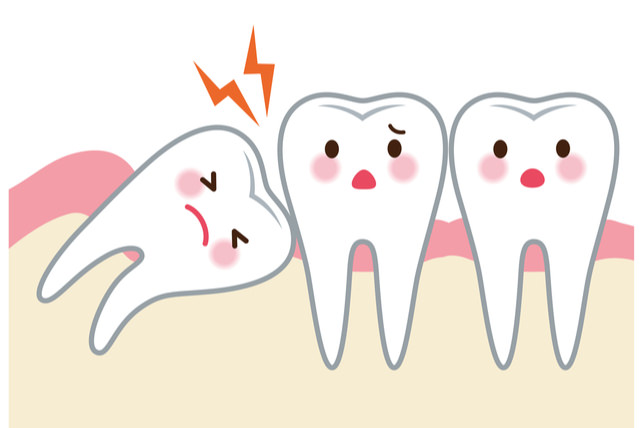
If there is not enough room for wisdom teeth to erupt, they can become impacted, which causes them to grow in sideways and is a reason for removal. Wisdom teeth can also push against second molars, pushing them out of alignment and making them more difficult to clean and susceptible to decay. Additionally, narrow spaces between molars can become more easily infected with bacteria, which raise the risk of periodontal disease, inflammation and decay.

Is Wisdom Tooth Removal Painful? 

Wisdom teeth removal is usually done under anesthetic, so the procedure itself is not painful at all. However, the recovery period after a wisdom tooth removal can be uncomfortable. Soreness, swelling and limited mouth opening can last anywhere between 1 and 4 days. A typical recovery period is dependent upon how impacted the incoming wisdom teeth are, how large the teeth are, and how deep they are when they are extracted. 

Is Your Teen Experiencing Wisdom Tooth Pain? 

If your teen is experiencing pain in the very back of their mouth, then it may be time to evaluate how their wisdom teeth are growing. Visit our office so we can evaluate their smile, and provide a treatment plan that will improve their smile and avoid any wisdom tooth pain down the road.  
Sweet Treats are Fine for Teeth

May 10th, 2018

A well-rounded diet is vital for healthy teeth and gums. Unfortunately, dieting means excluding some of your favorite sweets to improve your overall wellbeing. But, never fear: you can still enjoy certain sweet treats that promote a healthy mouth.

Dark Chocolate 

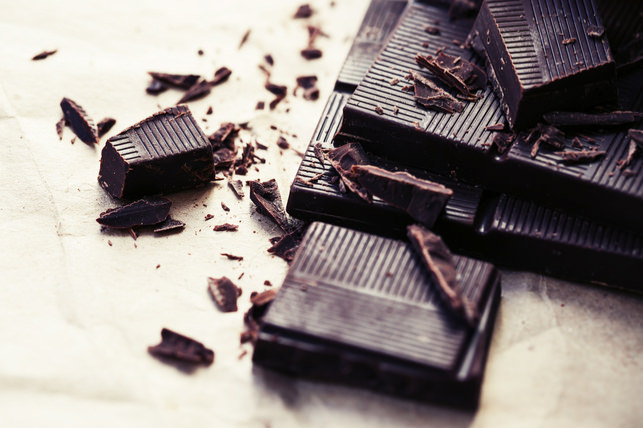
Dark chocolate might not strike you as mouth healthy – but it’s actually a fantastic treat for tooth enamel! Dark chocolate contains polyphenols, which are natural chemicals that limit the buildup of bad oral bacteria. Polyphenols also help prevent bacteria from turning sugar into acid, thereby limiting acid attacks and keeping enamel healthy. When buying dark chocolate, be sure that it is at least 70% cocoa to get the most nutrition.

Strawberries 

Strawberries are an amazing, sweet fruit that can be eaten raw, or added into a number of sweet desserts. They are also high in fiber, which scrubs teeth and keeps tooth enamel strong. Strawberries are packed with vitamin C, which helps your body produce collagen – a protein vital to maintaining your gums’ strength. All in all, strawberries are one of the absolute best sweet treats for teeth and gums. 

Apples 

Apples are high-fiber fruits, which naturally clean teeth as they’re being eaten! Apples scrub your teeth, gums and tongue as they’re being eaten because of their fibrous texture – particularly the skin. This helps fight plaque buildup, and helps remove surface stains from teeth. Apples also fight bad breath by removing traces of bad plaque and residue from the back of the tongue.  

Apples are fantastic treats that can be enjoyed many ways. We suggest dipping apple slices in almond butter for a high-fiber and protein snack.

Frozen Yogurt Popsicles 

Frozen yogurt is packed with healthy bacteria, which helps fight bad bacteria that stick to teeth and lead to cavities. The best news is that frozen yogurt popsicles are a fun way to get a healthy serving of calcium, and they come in a variety of options. When purchasing frozen yogurt popsicles, look for some that are made with low fat, Greek yogurt, which is full of healthy protein.

Drink Water after Treating Yourself 

After enjoying any meal or treat, be sure to drink a glass of water. Water naturally cleans teeth by washing away food debris and damaging acids that can lead to cavities. 

Visit Our Office 

If you’re concerned about how your child’s diet may be affecting their teeth, then bring them into our office. We will evaluate their smiles and offer a variety of treatment options that fit their case. We can also give you tips on eating for better oral health, and point out food that can lead to tooth decay. 

These Foods Destroy Oral Appliances

April 19th, 2018

Caring for an oral appliance can be difficult, but it is absolutely imperative. If your oral appliance is not clean, then it won’t properly function. One way to keep your appliance clean is by avoiding foods that can harm it. 

Nuts 

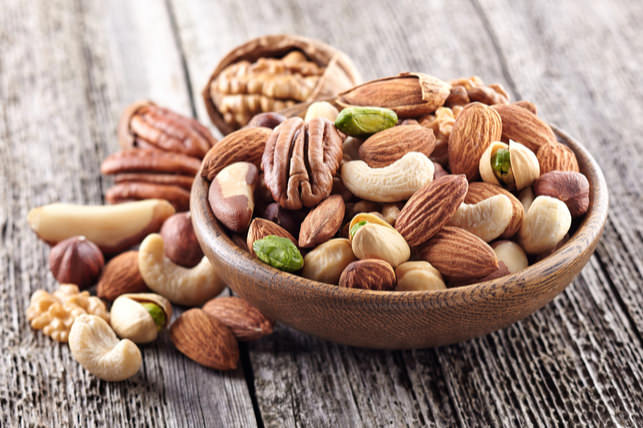
Nuts are very hard, and can do real damage to oral appliances. Nuts can destroy rubber bands, wires and even brackets! If you have braces, then avoid nuts and hard foods that can damage your brackets. Nuts may be great for teeth, but they are awful for oral appliances, so it’s best to avoid them while wearing an oral appliance. 

Hard Candy 

This may not surprise you, but hard candy can wreak havoc on teeth, and damage oral appliances. Hard candy sticks onto oral appliances, and can expose teeth to an extended sugar attack. Hard candy dissolves slowly, which allows bad bacteria longer access to the sugar they need to survive and cause havoc on teeth. This can lead to more cavities and tooth decay. Hard candy can also crack wires, dislodge brackets, and even crack teeth. It’s best to avoid hard candy. 

Starchy Snacks 

Starchy foods easily get stuck on teeth, and provide bad bacteria with sugar, which powers the bacteria to multiply and attack enamel. This problem is made worse by dental appliances, because starchy foods can easily get stuck in them and continually attack the surface of teeth. This makes the acidic attacks last longer, and has a more negative effect on teeth. If you eat starchy snacks like chips or crackers, then rinse your mouth out with water to get rid of any excess food debris.  

Sticky Candy  

Sticky candy is difficult to remove from teeth, and gives cavity-causing bacteria more time to eat away enamel. Sticky candy also sticks to wires and brackets, which increases the time that teeth are spent contacting sugar. This can erode tooth enamel, and lead to tooth decay and cavities. 

Drink Plenty of Water 

Water is essential in keeping your mouth and oral appliance clean. It helps stimulate saliva production, which naturally cleans food debris and keep the mouth at a healthy ph level. We suggest swishing with water after meals, and always keeping a water bottle handy.  

Keep Your Teeth & Appliance Clean 

Most orthodontists advise brushing 4 times per day: in the morning after breakfast, after lunch or right after school, after dinner and at bedtime. The extra brushing ensures that your mouth stays debris-free, and helps to fight cavities and potential damage to your oral appliance. 

Schedule an appointment with our office for more tips about caring for your oral appliance, and what you need to do to get the healthiest smile possible.  

Teeth & Tummies! 5 Foods that are Great for Tooth & Gut Health

April 6th, 2018

A mouth-healthy diet can go a long way in helping your entire family improve their oral health, but can also better your general health as well. Here are 5 foods that your teeth – and stomach – will love. 

1 - Probiotic Yogurt 

Probiotic yogurt is an absolute must-have for those seeking mouth & gut health. Yogurt contains calcium, which builds strong tooth enamel, and casein, a protein that helps prevent bacteria from sticking to teeth and causing plaque buildup. Probiotic yogurt is also packed with healthy enzymes that improve digestion, and probiotics that help remove bad gut bacteria that can lead to inflammation and cramping.

2 - Kale 

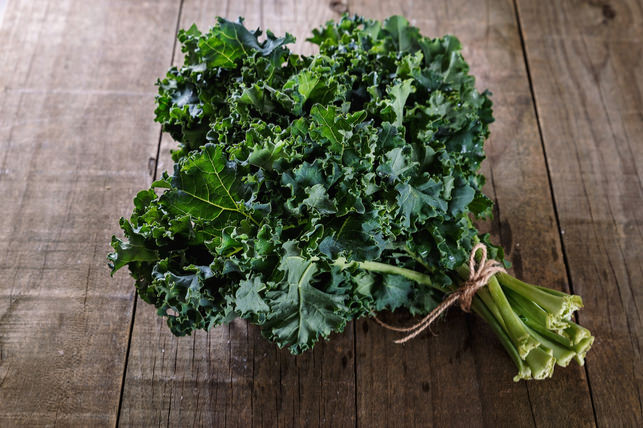
Kale, and other vegetables like broccoli, cabbage and cauliflower, are all fantastic for teeth and promoting stomach health. Kale is high in water and fiber, which promotes healthy digestion. Plus, fiber naturally cleans teeth of food debris, thereby helping to prevent plaque buildup. Kale also contains glucosinolates, which helps fight inflammation and aids in regular food digestion. 

3 - Mangos 

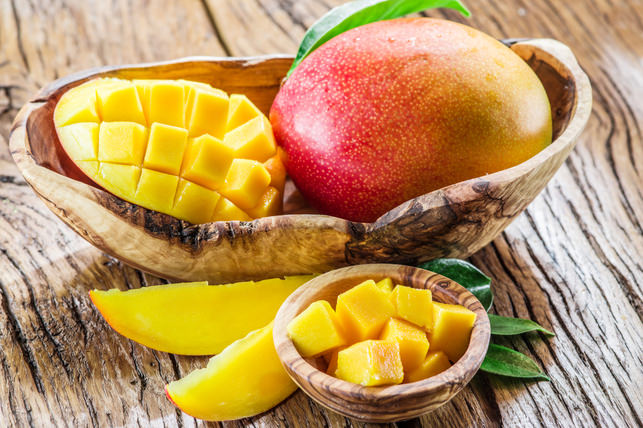
Mangos help keep healthy gut bacteria alive, which promotes regular and healthy digestion. They are also packed with vitamin C, which aids the development and maintenance of healthy gums. When shopping, buy whole mangos, rather than mangos stored in preservatives that are packed in sugar.  

4 - Dark Chocolate 

Healthy food can also be delicious, just look at dark chocolate! Dark chocolate has some amazing benefits for teeth. It contains flavonoids, which help eliminate bad oral bacteria that fuels cavities and tooth decay. Dark chocolate helps gut health by feeding healthy gut bacteria responsible for breaking down and digesting food.  

5 – Almond Butter 

Whole, raw almonds can be tough on teeth, but almond butter can be amazing for teeth and digestive health. Almond butter is packed with calcium, which helps build strong teeth, healthy gums, and strong tooth enamel. Almond butter also contains a good amount of healthy dietary fiber, which promotes regular digestion. By eating almond butter instead of almonds, you can still take advantage of their nutritional benefits without the risk of cracking your teeth. When shopping for almond butter, buy a jar that is minimally processed and contains the most amount of fiber. 

Try a Mouth-Healthy Diet 

When shopping for mouth-healthy food, try to get a lot of whole fruits and vegetables and incorporate plenty of healthy fiber. Try to avoid fruit packed in sugary syrup, as well as starchy carbohydrates that can stick to teeth and fuel unhealthy plaque buildup.